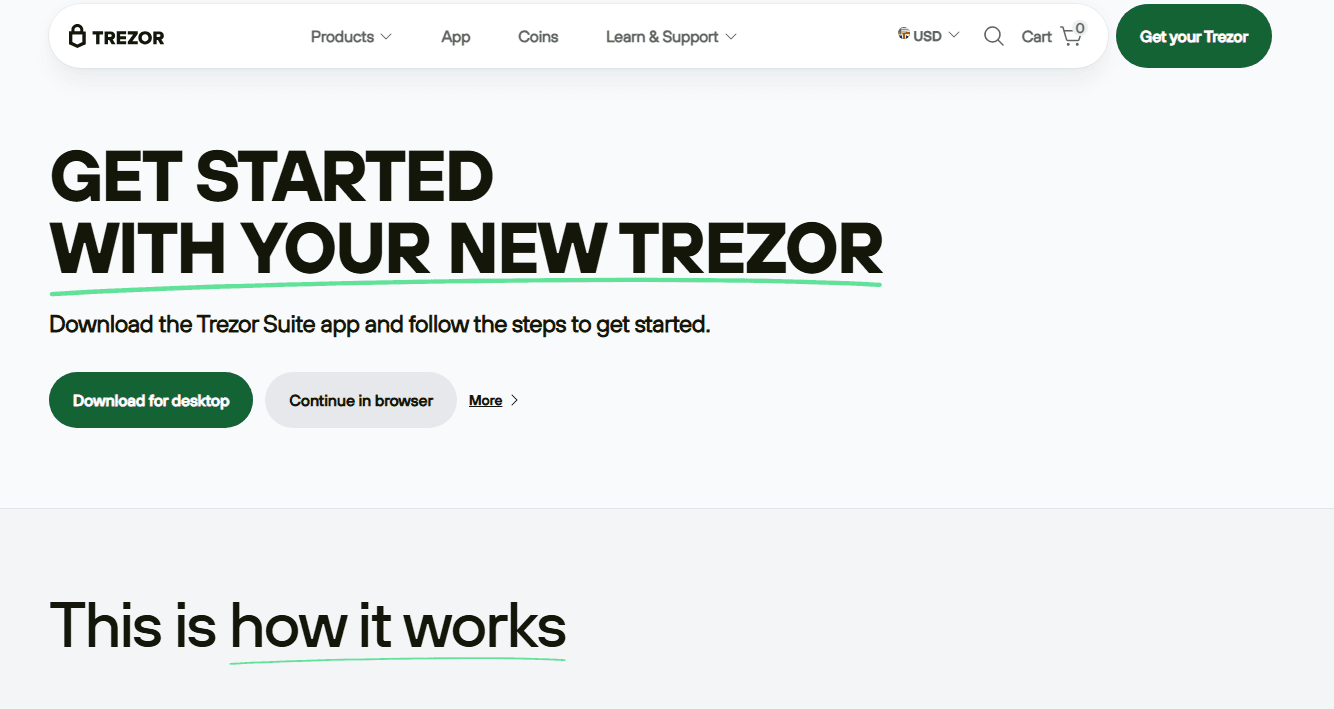
Trezor.io/Start: A Fresh 1200-Word Guide to Setting Up Your Trezor Hardware Wallet
Setting up a Trezor hardware wallet is the first step toward taking full control of your cryptocurrency. Trezor devices are trusted for their strong security and ease of use, but navigating the setup requires careful attention to detail. The official starting point for every new user is trezor.io/start, a guided onboarding environment that helps ensure the device is configured safely and correctly. This newly written guide breaks down everything you need to know about the setup experience, from unboxing the device to managing your first accounts.
Understanding the Purpose of Trezor.io/Start
Trezor.io/start is the official location where new Trezor users learn how to initialize and configure their wallet. Rather than relying on printed manuals, Trezor directs users to this digital start page to ensure they receive the most up-to-date instructions. In the cryptocurrency world, outdated or incorrect information can lead to mistakes that compromise security, so directing users to a single, accurate source helps prevent issues.
The page gives you step-by-step instructions for:
Installing the official management software
Connecting your hardware wallet
Updating or installing firmware
Creating and securing your recovery seed
Setting a PIN
Adding accounts and managing cryptocurrencies
This streamlined process is designed to help both beginners and advanced users get set up without confusion.
Before You Begin: Inspecting Your Device
Before visiting the start page, it’s essential to check your Trezor device to make sure it has not been tampered with. Hardware wallets must remain secure from the moment you receive them. Carefully inspect:
Packaging condition
Device casing
Any seals or tamper-evident components
Included accessories
If anything appears damaged or altered, do not connect the device or proceed with setup. Ensuring authenticity from the beginning establishes a safe foundation.
Installing Trezor Suite Through the Start Portal
One of the first steps at trezor.io/start involves downloading Trezor Suite, the official desktop application for interacting with your wallet. Trezor Suite serves as your control center, letting you manage your accounts, view balances, install blockchain apps, and perform transactions.
During installation, the Suite guides you with prompts such as:
Security reminders
Verification steps
Device connection instructions
Firmware recommendations
Using the official Suite is essential because third-party tools may be unsafe or outdated.
Connecting Your Trezor Hardware Wallet
After installing Trezor Suite, connect the hardware wallet to your computer using the provided USB cable. When connected for the first time:
Trezor Suite automatically detects the device
You may be asked to confirm the connection
The device will display prompts to guide you
Depending on the model, you’ll either use physical buttons or a touchscreen to approve actions.
This initial connection establishes secure communication between the device and the computer, ensuring that future transactions and account changes require physical confirmation.
Installing Firmware: A Critical Security Step
Most Trezor devices arrive without firmware installed. Firmware is the internal software that operates the wallet. Without it, the device cannot function correctly.
At the start portal, you’ll be prompted to install the latest firmware version. During this stage:
The firmware is downloaded through Trezor Suite
You’ll verify and approve the installation on the device screen
The device will safely reboot
Using only the official firmware is essential, as unauthorized or modified firmware can compromise your wallet’s security.
Creating Your Recovery Seed: Your Wallet Backup
Once firmware installation is complete, you’ll move to one of the most important stages of the entire setup process: creating your recovery seed. This seed phrase is a series of words generated by your Trezor that serves as the master backup for your wallet.
During this process, remember:
Write the words down on paper only
Keep them in the exact order displayed
Never store them digitally
Never share the seed with anyone
Never enter the seed into a computer or website
The recovery seed gives full access to your wallet, so keeping it private is essential. If your device is ever lost or damaged, the seed is the only way to recover your funds.
Setting Your Device PIN
After securing your recovery seed, the next step is choosing a PIN for your Trezor. The PIN protects the device from unauthorized physical access. If someone steals your Trezor, the PIN prevents them from interacting with your wallet.
The PIN setup includes:
Entering a sequence of digits
Confirming your selection
Using the device itself to input the PIN securely
Multiple incorrect attempts trigger increasing delays, making brute-force attacks impractical.
Wallet Customization and Preferences
Once the main security steps are complete—firmware installation, recovery seed creation, and PIN setup—you can customize your wallet. Trezor Suite allows you to adjust many preferences, such as:
Naming your wallet
Adding or removing accounts
Choosing visual themes
Enabling advanced protections such as a passphrase
Setting privacy preferences
These options allow you to tailor your Trezor experience to your needs, whether you prefer a simple layout or a more advanced security setup.
Adding Cryptocurrency Accounts
Trezor devices support a variety of cryptocurrencies. Before sending or receiving coins, you need to create accounts for each asset you want to manage.
To add an account:
Select the cryptocurrency you want
Let Trezor Suite generate a new account
Approve account creation on the hardware wallet
View the account in your dashboard
Each account is separate, allowing you to keep different coins organized.
Receiving Crypto Safely
Once you’ve added accounts, you can start receiving cryptocurrency. The process is simple but must be done carefully.
To receive funds:
Open the account for the specific coin
Generate a receiving address
Verify the address on your Trezor hardware screen
Share the verified address with the sender
The verification step is essential because it protects against malware that might alter on-screen addresses.
Sending Funds Securely
Sending cryptocurrency involves additional checks to ensure safety. Before confirming a transaction:
Enter the recipient address in Trezor Suite
Confirm fees and amounts
Review the transaction on the hardware device
Physically approve the transaction
Because approvals must be performed on the hardware wallet, it is nearly impossible for malware to send unauthorized funds without your knowledge.
Understanding Common Setup Pitfalls
While Trezor tries to make setup straightforward, some users make mistakes that may compromise their security. Here are common issues to avoid:
Storing the recovery seed on a computer or cloud drive
Sharing the seed with support staff or strangers
Losing the seed or storing it in unsafe places
Skipping firmware updates
Downloading unofficial software
Using compromised computers to set up the device
Avoiding these mistakes ensures the lifelong safety of your crypto.
Best Practices After Completing Setup
Once set up, proper maintenance and habits are essential to keep your wallet secure. Consider the following practices:
Update firmware and software regularly
Keep your recovery seed in a secure, offline location
Use a strong PIN and consider adding a passphrase
Inspect receiving addresses carefully
Store your device safely when not in use
Never trust unsolicited offers of support
A hardware wallet is only as secure as your behavior. Good habits protect your crypto as much as the device itself.
Conclusion
Trezor.io/start is the official and safest starting point for initializing any Trezor hardware wallet. By guiding users through software installation, firmware setup, recovery seed creation, and PIN configuration, the portal ensures that each step is performed correctly. This process lays the foundation for long-term crypto security. Whether you’re storing digital assets for the first time or migrating from another wallet, following the setup instructions carefully ensures your Trezor is ready to keep your cryptocurrency safe.