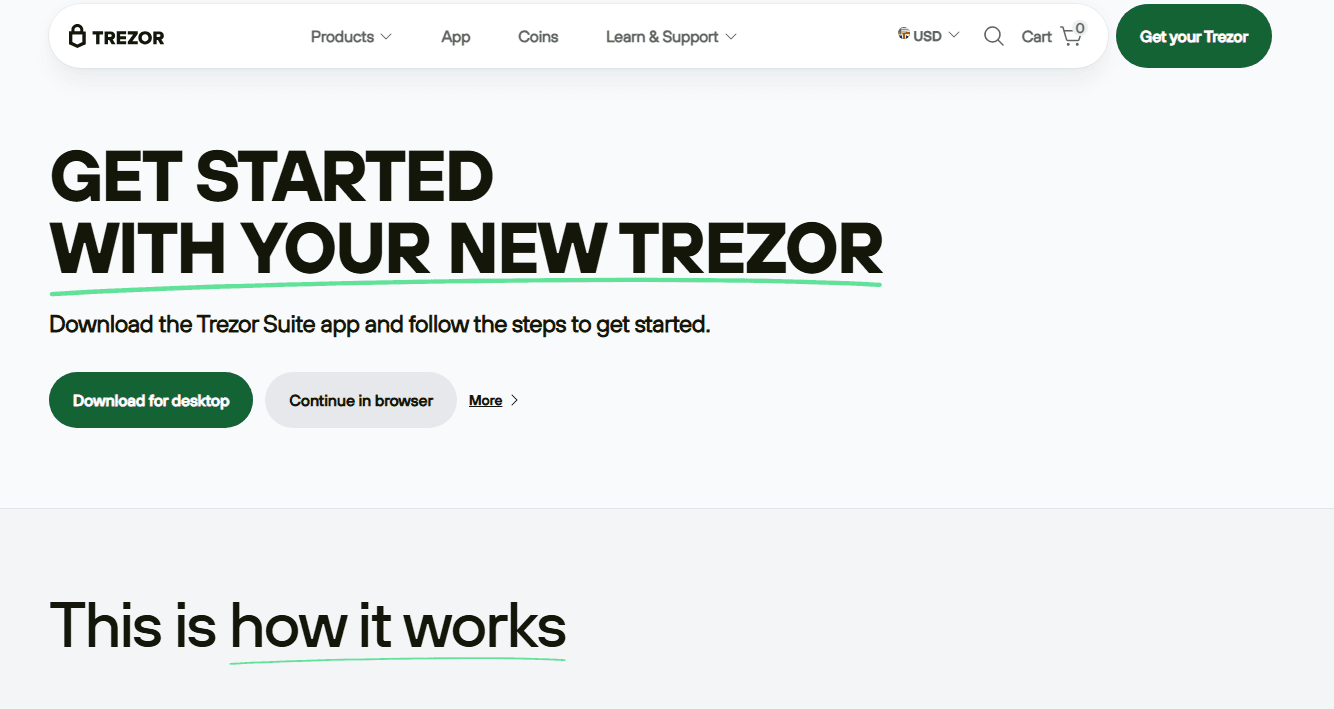
Complete 1200-Word Guide to Getting Started With Your Trezor Through Trezor.io/Start
Setting up a hardware wallet is one of the most important steps in taking control of your cryptocurrency. Trezor, one of the pioneers in the hardware wallet space, provides a secure and intuitive way for individuals to store digital assets safely. The setup journey for all Trezor devices begins at trezor.io/start, the official onboarding environment designed to walk users through the entire process from opening the box to completing the initial configuration. This guide provides a brand-new, thorough explanation of what trezor.io/start offers, how to navigate the setup, and what to know before and after initializing your device.
What Trezor.io/Start Is Designed For
Trezor.io/start acts as the primary—and safest—place to begin using any Trezor hardware wallet. Instead of relying on printed instructions, Trezor directs users to this official digital setup guide to ensure accuracy and security. Because cryptocurrency ownership requires careful handling of digital keys, the company uses this platform to help users avoid common mistakes, scams, and improper configuration.
At trezor.io/start, users will:
Locate and install Trezor Suite
Learn how to connect their device
Install firmware if necessary
Create a secure recovery seed
Configure a PIN
Explore fundamental wallet functions
Understand security best practices
The portal is designed to be beginner-friendly while still offering enough detail for experienced users who want full control over their device.
Why It’s Important to Begin at the Official Start Page
Starting at the correct location ensures that users:
Download the Correct Software
There are fake apps and fraudulent websites that imitate crypto software. The official start page ensures users obtain the authentic Trezor Suite application.
Learn How to Protect Their Recovery Seed
The recovery seed is the master backup of the wallet. The start instructions emphasize that the seed must never be shared, typed online, or stored digitally.
Install Trusted Firmware
New devices might require a firmware update. The guidance from the official onboarding ensures this is performed securely.
Avoid Third-Party Scams
The crypto world is full of phishing attempts and fake support channels. The setup content includes warnings that help users avoid falling victim to scams.
Beginning at trezor.io/start establishes a safe foundation before using the device with real funds.
Unboxing and Inspecting Your Trezor Device
Before going to the start portal, it’s recommended to carefully inspect the packaging. A legitimate Trezor device should be sealed properly, with tamper-evident components intact. If you notice any unusual scratches, broken seals, or signs of alteration, you should not proceed until you verify the device’s authenticity.
Inside the box, you will typically find:
The hardware wallet itself
A USB cable
Recovery seed cards
Stickers and documentation
Once you’re confident the device appears genuine, it’s time to begin the setup process.
Installing Trezor Suite
The first step at trezor.io/start is downloading Trezor Suite, the official application used to manage your hardware wallet. Trezor Suite is available for major operating systems and is the primary interface for managing your assets. After installation, the Suite will provide prompts designed to:
Guide you through device connection
Identify whether firmware installation is necessary
Teach you important security practices
Help you create or restore a wallet
Because Trezor Suite is the central hub for ongoing wallet management, installing it correctly is essential.
Connecting Your Device for the First Time
Once you have Trezor Suite installed, connect your hardware wallet to your computer using the included USB cable. For devices that feature a display, you will see prompts on the screen. For touchscreen models, you’ll navigate directly from the device.
During this stage, Trezor Suite will automatically detect your device and check whether firmware is installed or up to date.
If this is your first time using the wallet, firmware installation is often required before any further actions can occur.
Installing Firmware Securely
Firmware functions like the operating system for your Trezor device. Installing the firmware through Trezor Suite ensures that the update is authentic and has not been altered by third parties.
You will:
Approve the installation on the device screen
Wait while the firmware is downloaded and installed
Reconnect or restart the device as prompted
This step should never be performed through unofficial tools or external sources. The firmware is crucial to the security of the device, and only trusted updates should be used.
Creating Your Recovery Seed: The Most Important Step
After firmware is installed, you will be guided to create your recovery seed. This is the most critical element of wallet ownership. The seed consists of a series of words—typically 12, 18, or 24—that serve as the ultimate backup to your wallet.
Trezor.io/start emphasizes a few key rules:
Write the words down by hand
Never take photos of the seed
Never save the seed digitally
Keep the seed hidden in a safe place
Never enter the seed into a website, computer form, or messaging app
If your device is ever lost or destroyed, the recovery seed can restore your wallet and funds on another compatible device. If someone else obtains your seed, they can take full control of your crypto. Proper handling of this seed is the foundation of security.
Setting a Strong PIN
Once the seed is created and confirmed, the next step is setting a PIN. The PIN protects the physical device from unauthorized access. If someone steals or finds your Trezor, the PIN prevents them from interacting with the wallet.
The Trezor interface ensures that:
The PIN is entered directly on the device
You choose the PIN without revealing it to the computer
Multiple failed attempts cause increasing time delays
A strong PIN is essential for physical security.
Configuring Wallet Preferences
After the seed and PIN are set, the device becomes fully operational. Trezor Suite will allow you to customize various settings, including:
Naming your wallet
Choosing display preferences
Enabling passphrase protection for extra security
Creating multiple accounts for different coins
Adjusting privacy options
These settings provide flexibility and allow users to personalize their experience depending on their needs.
Adding Cryptocurrency Accounts
Trezor supports a wide selection of digital assets. To begin managing coins, you must add accounts for each cryptocurrency you plan to store.
This process includes:
Selecting a supported coin
Allowing Trezor Suite to generate an account
Approving account creation on your device
Viewing the new account in your dashboard
Each account allows you to receive, send, and view transaction history for that specific asset.
Receiving and Sending Funds Safely
Once accounts have been added, you can deposit and transfer crypto.
To Receive Funds
Choose the relevant account in Trezor Suite
Generate a receiving address
Confirm the address on the device’s physical screen
Share the confirmed address with the sender
Confirming the address on the device protects you from malware that could swap addresses on your computer.
To Send Funds
Select the coin and account
Enter the destination address and amount
Check fees and transaction details
Approve the transaction on your Trezor device
The confirmation step on the hardware device ensures that only you can authorize outgoing transfers.
Common Setup Mistakes to Avoid
Even with guided steps, users sometimes make errors. Here are mistakes you should avoid:
Sharing your recovery seed
Entering your seed into any website or app
Keeping the seed on cloud storage or email
Using an unsecure or public computer for setup
Skipping firmware updates
Accepting unsolicited support messages pretending to be Trezor
Avoiding these mistakes helps keep your wallet secure.
Best Practices After Setup
Once your wallet is fully configured, long-term safety requires ongoing good habits:
Keep your seed stored safely and privately
Use a strong PIN and consider passphrase protection
Update Trezor Suite and firmware regularly
Double-check addresses before approving transactions
Store your physical device in a secure place
Maintain backups of your recovery seed
These simple practices significantly strengthen the security of your crypto holdings.
Conclusion
Trezor.io/start provides a structured, reliable, and secure pathway for setting up your Trezor hardware wallet. By walking users through software installation, firmware configuration, recovery seed creation, and PIN setup, the start portal ensures that every new device begins with the highest level of security. Learning how to navigate this process is essential for anyone interested in taking control of their digital assets. With the right setup and safe habits, Trezor offers one of the most secure methods available for managing cryptocurrency.